Nicotine Pouches Explained: What Australians Should Know About Ingredients, Strength and Risks
Nicotine pouches have become an increasingly discussed nicotine product around the world. Small, discreet, and tobacco-free, they are often promoted as an alternative to smoking, vaping, or traditional oral tobacco products.
But the absence of tobacco does not make nicotine pouches harmless.
Nicotine is an addictive substance, and pouch products can vary considerably in strength, ingredients, formulation, and labelling. For Australian consumers, there is another important consideration: nicotine-product rules can change and may differ depending on the specific product and circumstances.
At Nicotine Pouches AU, the goal is to make these topics easier to understand through clear, practical, and responsible educational information.

What Are Nicotine Pouches?
Nicotine pouches are small oral pouches containing nicotine along with other ingredients.
They are generally placed between the gum and lip, where nicotine can be absorbed through the lining of the mouth.
Unlike cigarettes, nicotine pouches do not involve burning tobacco.
Unlike many traditional oral tobacco products, they also generally do not contain tobacco leaf.
A typical pouch may contain ingredients such as:
- Nicotine
- Plant-based fibres or fillers
- Flavourings
- Sweeteners
- Moisture-control ingredients
- Acidity regulators
Formulations vary between manufacturers, so the ingredient list should always be reviewed rather than assuming all pouches are the same.
Are Nicotine Pouches Tobacco-Free?
Many nicotine pouches are described as tobacco-free because they do not contain tobacco leaf.
That does not mean they are nicotine-free.
This distinction is important.
Nicotine itself can produce dependence and withdrawal symptoms. A product can therefore be tobacco-free while still carrying meaningful health and addiction considerations.
Consumers should look beyond front-of-package marketing and check the actual nicotine content and ingredient information.
Understanding Nicotine Strength
Nicotine pouch strength can be presented in different ways.
Depending on the product, a label may describe nicotine content as:
- Milligrams per pouch
- Milligrams per gram
- A strength category such as low, medium, strong, or extra strong
These descriptions are not always directly comparable between brands.
A product described as “strong” by one manufacturer may contain a different amount of nicotine from another brand’s “strong” product.
This is why the numerical nicotine amount is generally more useful than marketing terms alone.
Higher nicotine content can increase the likelihood of unwanted effects and dependence.
What Does Nicotine Do?
Nicotine acts on the nervous system and interacts with receptors involved in reward, attention, and other neurological processes.
People may experience effects such as:
- Increased alertness
- Temporary stimulation
- Changes in heart rate
- Reduced appetite
- A sense of reward or reinforcement
Repeated nicotine exposure can lead to dependence.
When someone who regularly uses nicotine stops, withdrawal symptoms may occur.
These can include:
- Cravings
- Irritability
- Restlessness
- Difficulty concentrating
- Changes in mood
- Sleep disruption
- Increased appetite
This is one reason nicotine products should not be treated as ordinary lifestyle accessories.
Nicotine Pouches and Addiction
Nicotine is addictive regardless of whether it comes from:
- Cigarettes
- Vapes
- Nicotine pouches
- Nicotine replacement products
- Other nicotine-containing products
The speed and amount of nicotine exposure can influence dependence.
Some pouch products contain relatively high nicotine concentrations, which may be particularly concerning for people who have little or no previous nicotine tolerance.
People who do not currently use nicotine generally should not start using nicotine products simply because they are marketed as smoke-free or tobacco-free.
Possible Side Effects
Nicotine pouches can cause unwanted effects.
These may include:
- Gum irritation
- Mouth discomfort
- Hiccups
- Nausea
- Dizziness
- Headache
- Increased heart rate
- Increased saliva
- Upset stomach
Effects can vary depending on:
- Nicotine strength
- Frequency of use
- Individual tolerance
- Other nicotine products being used
- Personal health factors
Persistent or severe symptoms should be discussed with an appropriate healthcare professional.
Oral Health Considerations
Because nicotine pouches are held against the gums, oral health is an important consideration.
Some users may experience:
- Local gum irritation
- Soreness
- Dryness
- Changes in the area where the pouch is placed
Long-term evidence regarding some forms of modern nicotine pouch use is still developing.
Regular dental care and attention to persistent changes in the mouth or gums are sensible precautions.
Nicotine Pouches vs Cigarettes
Nicotine pouches and cigarettes expose users to nicotine in very different ways.
Cigarette smoking involves combustion.
Burning tobacco produces smoke containing many harmful substances, including carbon monoxide and numerous toxic chemicals.
Nicotine pouches do not involve combustion or smoke exposure.
However, this does not mean nicotine pouches are harmless.
They still expose users to nicotine and may contribute to dependence and other health concerns.
When discussing relative risk, it is important not to confuse “different from smoking” with “risk-free.”
Nicotine Pouches vs Vaping
Vaping delivers nicotine through an aerosol that is inhaled into the lungs.
Nicotine pouches deliver nicotine through the tissues of the mouth.
The two product types therefore involve different exposure routes.
Both may contain nicotine, and both can contribute to dependence.
For consumers, the relevant question should not simply be which product appears more convenient or discreet.
It should also include:
- Why the nicotine product is being used
- Whether the person already uses nicotine
- Whether reducing or quitting is the longer-term goal
- What health considerations may apply
Are Nicotine Pouches the Same as Nicotine Replacement Therapy?
Not necessarily.
Nicotine replacement therapy, or NRT, refers to products specifically intended to help people quit smoking or manage nicotine withdrawal.
Examples can include:
- Nicotine patches
- Nicotine gum
- Nicotine lozenges
- Other approved cessation products
Commercial nicotine pouches may be marketed differently and should not automatically be treated as equivalent to approved cessation therapies.
Someone who wants to stop smoking or quit nicotine should consider speaking with a pharmacist, doctor, or recognised cessation service about evidence-based options.
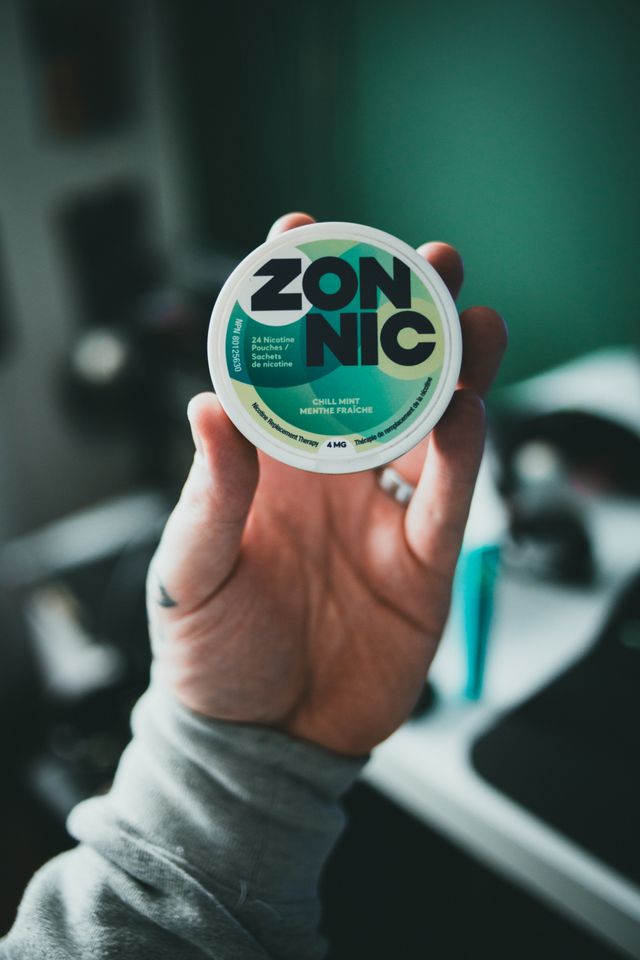
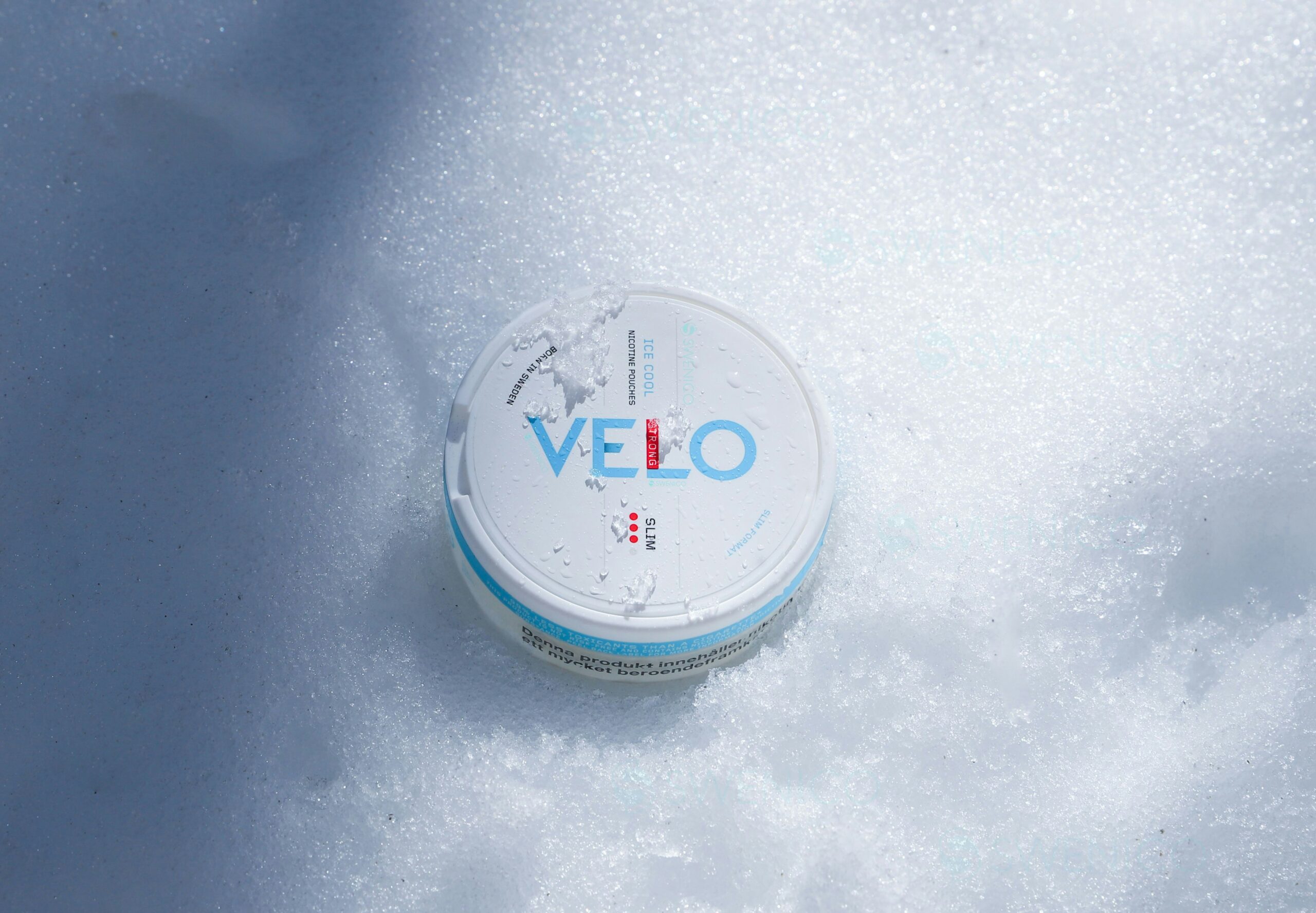
Reading a Nicotine Pouch Label
A useful product label should provide enough information for consumers to understand what they are using.
Important details may include:
Nicotine Content
Look for the actual nicotine amount rather than relying only on descriptors such as “strong.”
Serving or Pouch Information
Determine whether the stated amount refers to:
- One pouch
- One gram
- The entire container
Ingredient List
Check the complete ingredient list, especially if you have sensitivities or allergies.
Warnings
Nicotine products should include appropriate warnings regarding dependence and suitability.
Manufacturer Information
Clear manufacturer or distributor information can help consumers assess transparency.
Marketing Terms Can Be Misleading
Terms such as:
- Fresh
- Clean
- Tobacco-free
- Modern
- Smoke-free
- Natural
may influence how consumers perceive a product.
These terms do not eliminate nicotine-related risks.
A clean-looking package can still contain a high nicotine concentration.
Consumers should evaluate the actual product information rather than relying on design or lifestyle marketing.
Nicotine Pouches and Young People
Nicotine products are particularly concerning for young people.
Nicotine can lead to dependence, and products with sweet flavours, discreet packaging, or modern branding may be especially attractive to younger audiences.
Nicotine products should be stored securely away from children and should never be treated as ordinary confectionery or wellness products.
Pregnancy and Nicotine
Nicotine exposure during pregnancy is a significant health concern.
People who are pregnant, planning pregnancy, or breastfeeding should seek professional guidance regarding nicotine use and cessation.
Switching from one nicotine product to another without appropriate advice does not necessarily eliminate risk.
Health Conditions and Medications
Individual health circumstances matter.
People with certain cardiovascular conditions, medication concerns, or other health issues may need professional advice before using nicotine products.
General web information cannot determine whether a particular nicotine product is appropriate for an individual.
Using Multiple Nicotine Products
Someone who combines nicotine pouches with:
- Cigarettes
- Vapes
- Nicotine gum
- Lozenges
- Other nicotine products
may increase their total nicotine exposure.
This can contribute to unwanted symptoms.
Signs of excessive nicotine exposure may include:
- Nausea
- Dizziness
- Sweating
- Headache
- Weakness
- Vomiting
- Unusual heart sensations
Severe symptoms require appropriate medical attention.
Australian Regulatory Awareness
Nicotine-product regulation in Australia is an important part of responsible consumer awareness.
The rules surrounding nicotine products can depend on:
- Product type
- Nicotine content
- How the product is supplied
- Current Australian regulations
- State or territory requirements
Regulatory frameworks can also change.
For that reason, consumers should not rely solely on brand websites, social-media posts, forums, or old articles when determining whether a product is legally available or appropriate in Australia.
Current information should be checked using relevant Australian government, health, or regulatory sources.
Nicotine Pouches AU provides educational information and does not provide individual legal advice.
Why Product Transparency Matters
Transparency is especially important in categories where product formulations can vary.
A responsible manufacturer should make it reasonably easy to understand:
- What the product contains
- How much nicotine it contains
- Who manufactures it
- Relevant warnings
- How the strength is expressed
Consumers should be cautious when important information is missing or unclear.
Nicotine Pouches Are Not Wellness Products
The word “wellness” is often used broadly in modern marketing.
Nicotine should not be presented as a general wellness supplement.
It is an addictive psychoactive substance.
People who do not currently use nicotine should generally avoid starting.
For existing nicotine users, discussions about lower-risk alternatives or cessation should be considered in the context of individual circumstances and evidence-based health advice.
Harm Reduction and Nicotine
Harm reduction aims to reduce health risks among people who already engage in potentially harmful behaviours.
In discussions about nicotine, this may include considering alternatives to combustible tobacco for existing smokers.
However, harm reduction does not mean harmlessness.
A product may involve different or potentially lower risks than another product while still carrying its own risks.
That distinction is important.
What If Your Goal Is to Quit Nicotine?
If your goal is to become nicotine-free, it can help to approach quitting as a structured process.
Support may include:
- A healthcare professional
- Pharmacist
- Quit-smoking service
- Counselling
- Evidence-based nicotine replacement therapy
- Behavioural strategies
Dependence can be difficult to manage alone.
Seeking support is a practical part of quitting, not a sign that the attempt has failed.
Questions to Ask Before Considering a Nicotine Product
Before using any nicotine product, consider:
Do I currently use nicotine?
If not, there is generally little reason to begin.
How much nicotine does this product contain?
Look for the actual amount.
Why am I considering it?
Is the objective to replace smoking, manage withdrawal, or simply experiment?
Are the ingredients and warnings clearly disclosed?
Transparency matters.
Are there health circumstances I should discuss with a professional?
Personal medical considerations can change what is appropriate.
Is my information current?
Nicotine regulation and product information can change.
The Importance of Reliable Information
Nicotine-product discussions online can be highly commercial.
Information may come from:
- Brands
- Retailers
- Social-media influencers
- Forums
- Public-health organisations
- Scientific research
These sources do not all have the same purpose or reliability.
Before accepting a claim, consider who is making it and what evidence supports it.
Final Thoughts
Nicotine pouches represent another development in the changing nicotine-product landscape.
Their tobacco-free and smoke-free format makes them different from cigarettes, but it does not remove nicotine’s addictive properties.
Consumers should understand:
- Nicotine strength
- Ingredients
- Product labels
- Dependence
- Possible side effects
- Oral-health considerations
- Australian regulatory issues
Most importantly, nicotine pouches should not be mistaken for harmless lifestyle products.
At Nicotine Pouches AU, our goal is to provide clear and responsible information that helps Australian readers better understand nicotine products, labels, trends, and risks.
— Norman Burke

Norman Burke
More articles by this author